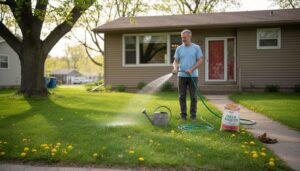
More than 80 percent of American homeowners consider their lawn a source of pride and relaxation. For Minnetonka residents, lush grass and a weed-free yard mean more than just curb appeal. Healthy turf stands up to Minnesota summers, resists pests, and protects property value. Discover practical ways to transform your lawn care routine with proven tips that encourage stronger roots, deeper green, and a more resilient outdoor space.
1. Mow Regularly for a Stronger Lawn
Taking care of your lawn in Minnetonka starts with consistent mowing. Regular mowing is not just about keeping your yard looking neat it is a strategic approach to building a robust and healthy grass ecosystem.
According to the University of Minnesota Extension, maintaining a consistent mowing schedule promotes denser grass growth and reduces weed competition. This practice encourages deeper root development which ultimately creates a more resilient lawn that can withstand Minnesota’s challenging summer conditions.
Mowing Height Matters
For most grass types in Minnesota, aim to keep your lawn between 2.5 to 3.5 inches tall. Cutting grass too short weakens the root system and makes your lawn more susceptible to heat stress and drought. By maintaining the right height, you allow grass blades to photosynthesize effectively and develop stronger underground root networks.
Practical Mowing Tips
- Mow when grass is dry to prevent clumping and uneven cuts
- Alternate your mowing pattern each time to prevent soil compaction
- Keep mower blades sharp for clean cuts that help grass heal quickly
- Remove no more than one third of the grass blade length in a single mowing session
Consistent mowing transforms your lawn from a simple ground cover to a thriving green landscape that enhances your Minnetonka home’s curb appeal.
2. Water Deeply but Less Often
Watering your lawn might seem straightforward, but many homeowners make critical mistakes that can harm grass health. Deep and infrequent watering is the secret to developing a robust root system that can withstand Minnesota’s challenging summer conditions.
Understanding Lawn Hydration
Frequent shallow watering creates weak grass roots that remain near the surface. When you water deeply but less often, you encourage roots to grow deeper into the soil. This approach helps grass become more resilient during hot and dry periods by accessing moisture stored deeper underground.
Best Watering Practices
- Water early in the morning between 4 am and 10 am
- Provide about 1 to 1.5 inches of water per week
- Use a rain gauge or empty tuna can to measure water volume
- Allow soil to dry between watering sessions
Signs of Proper Watering
A well hydrated lawn will have grass blades that spring back quickly when stepped on. If your footprints remain visible after walking across the lawn, it is time to water. The goal is creating a lawn that can withstand stress and maintain its vibrant green color throughout Minnetonka summers.
Remember that overwatering can be just as damaging as underwatering. Your lawn needs a balanced approach that mimics natural rainfall patterns while supporting strong grass growth.
3. Apply the Right Summer Fertilizer
Summer lawn care in Minnetonka demands strategic fertilization to maintain a lush green landscape. Choosing and applying the correct fertilizer can transform your yard from surviving to thriving.
According to the University of Minnesota Extension, summer fertilization requires a carefully balanced approach to support grass health during warmer months. The right nutrients help your lawn resist heat stress and maintain strong growth.
Understanding Summer Fertilizer Basics
For Minnesota lawns, a summer fertilizer should have a balanced nutrient profile with a focus on nitrogen that supports active growth without overstimulating the grass. Look for fertilizers with a ratio like 20-0-10 or 22-0-4 which provide essential nutrients while preventing excessive top growth.
Fertilization Best Practices
- Apply fertilizer in early summer when grass is actively growing
- Water the lawn lightly after fertilizer application
- Use slow release nitrogen formulations
- Avoid fertilizing during extreme heat
- Spread fertilizer evenly to prevent burning patches
Timing and Technique
The optimal fertilization window in Minnesota is typically between late May and early July. This period allows your lawn to build strength before the most intense summer heat arrives. Always check the specific requirements for your grass type and local conditions to maximize effectiveness.
4. Check for and Treat Lawn Pests
Minnetonka lawns face numerous insect challenges during summer months that can quickly transform a healthy landscape into a damaged ecosystem. Understanding and proactively managing lawn pests is crucial for maintaining a vibrant green space.
Common Minnesota Lawn Pests
Summer brings out several destructive insects including Japanese beetles, chinch bugs, and grubs. These tiny invaders can cause significant damage if left unchecked. Look for telltale signs like brown patches, chewed grass blades, or small holes in your lawn that indicate pest activity.
Pest Detection Strategies
- Perform weekly visual lawn inspections
- Check grass roots and soil surface for insect activity
- Use a white paper test to identify hidden insects
- Watch for irregular brown or yellow patches
- Monitor areas with consistent moisture or shade
Treatment Approaches
Treatment depends on the specific pest population. For minor infestations, targeted biological controls work effectively. Severe cases might require professional grade insecticides that specifically target the problematic species without harming beneficial lawn organisms.
Prevention is Key
Healthy grass naturally resists pest invasions. Maintaining proper mowing height, avoiding overwatering, and keeping your lawn well fertilized creates an environment that discourages most harmful insects. Lawn health maintenance plays a critical role in preventing widespread pest damage.
5. Control Weeds Before They Spread
Weeds are more than just unsightly invaders in your Minnetonka lawn. These resilient plants compete aggressively for nutrients, water, and sunlight, threatening the health of your carefully maintained grass.
Understanding Weed Growth Patterns
Most lawn weeds reproduce rapidly through seeds or underground root systems. A single dandelion can produce hundreds of seeds that spread quickly across your yard. Early intervention is critical to preventing a full scale weed invasion that can quickly overwhelm your lawn.
Proactive Weed Control Strategies
- Maintain a thick and healthy grass cover
- Pull weeds when soil is moist and roots are easier to remove
- Use preemergent herbicides before weed seeds germinate
- Avoid creating bare patches in your lawn
- Mow at proper grass height to shade out potential weed seedlings
Identification and Targeted Treatment
Different weeds require specific control methods. Broadleaf weeds like dandelions respond well to selective herbicides, while crabgrass needs preemergent treatments applied early in the season. Understanding the specific weed type allows for more precise and effective control.
Consistent lawn maintenance is your best defense against weed proliferation. A dense, well nourished lawn naturally prevents most weed seeds from establishing themselves and competing with your grass.
6. Aerate Compacted Soil for Better Growth
Compacted soil is the silent killer of beautiful lawns in Minnetonka. When soil becomes dense and hard, grass roots struggle to access essential nutrients, water, and oxygen needed for robust growth.
Why Soil Aeration Matters
Over time, foot traffic, lawn equipment, and natural settling cause soil particles to press tightly together. This compression creates a challenging environment for grass roots. Aeration breaks up these compacted areas, allowing air, water, and nutrients to penetrate deeper into the soil profile.
Aeration Techniques and Benefits
- Perform core aeration during peak growing seasons
- Remove small plugs of soil to create air channels
- Focus on high traffic areas like walkways and play zones
- Aerate when grass is actively growing
- Combine aeration with overseeding for maximum lawn renewal
Best Practices for Successful Aeration
Timing is crucial for effective aeration. For Minnesota lawns, early fall or late summer provides optimal conditions. The soil should be moist but not waterlogged. Avoid aerating during extreme heat or when grass is dormant.
Professional lawn care services can provide precise aeration techniques that minimize lawn stress while maximizing soil health. Your lawn will thank you with stronger roots, improved drainage, and more resilient grass growth.
7. Sharpen Mower Blades for Clean Cuts
Dull mower blades are the silent destroyers of a beautiful lawn. Ragged, torn grass edges not only look unsightly but also create vulnerabilities that invite disease and stress to your Minnesota lawn.
The Science of Sharp Blades
When mower blades are sharp, they create clean precise cuts that heal quickly. Torn grass edges created by dull blades leave your lawn looking brown and stressed. These rough cuts make grass more susceptible to fungal infections and moisture loss during hot Minnetonka summers.
Blade Maintenance Checklist
- Sharpen blades at least once per mowing season
- Check blade edges for nicks and damage after each use
- Remove blade and use a metal file or professional sharpening service
- Balance blades after sharpening to prevent uneven cutting
- Replace blades that are severely damaged or worn
Signs You Need New Blades
Indicators of dull mower blades include grass that looks ragged after mowing, a whitish or brownish tint to grass tips, and uneven cutting patterns. A well maintained blade ensures your lawn receives surgical precision cuts that promote faster healing and stronger grass growth.
Professional lawn care experts recommend treating your mower blades like a precision tool. Regular maintenance keeps your lawn looking sharp and healthy throughout Minnesota’s challenging summer months.
Below is a comprehensive table summarizing the key lawn care strategies discussed in the article for maintaining a healthy lawn in Minnetonka.
| Strategy | Implementation | Expected Results |
|---|---|---|
| Regular Mowing | Maintain grass at 2.5 to 3.5 inches; mow when dry; keep blades sharp. | Denser growth, reduced weed competition, and resilience to drought. |
| Deep Watering | Water between 4 am and 10 am; 1 to 1.5 inches per week; allow soil to dry between sessions. | Deeper root growth, enhanced drought tolerance, and reduced water waste. |
| Summer Fertilization | Use a balanced nitrogen fertilizer early in summer; water after application; avoid extreme heat. | Strong growth, resistance to heat stress, and improved lawn vigor. |
| Pest Control | Weekly inspections; use targeted treatments for specific pests; maintain healthy lawn practices. | Minimized pest damage, healthier lawn ecosystem, and prevention of large infestations. |
| Weed Management | Pull weeds when soil is moist; employ preemergent herbicides; maintain proper mowing height. | Fewer weeds, protection of grass resources, and prevention of major weed infestations. |
| Soil Aeration | Aerate during peak growing seasons; focus on high traffic areas; combine with overseeding. | Improved soil health, better root growth, and enhanced nutrient and water penetration. |
| Blade Maintenance | Sharpen blades once per season; check and balance regularly; replace damaged blades. | Clean cuts, faster grass healing, reduced disease risk, and an even, attractive lawn appearance. |
Elevate Your Minnetonka Lawn to Its Full Summer Potential
Maintaining a healthy lawn in Minnetonka during the summer can feel overwhelming with challenges like soil compaction, pest control, proper watering, and mowing techniques all demanding your attention. From the article’s insights on mowing heights and deep watering to controlling pests and aerating compacted soil, it is clear that every step matters in creating a resilient, vibrant lawn. If you want to avoid the frustration of patchy grass and invasive weeds, the right help is just a click away.
At YardWoo, we understand these specific lawn care challenges and offer expert services to keep your yard lush and strong through every season. Whether you need regular lawn mowing done with precision or professional guidance on lawn health maintenance, our team is ready to support your goals. Take control of your lawn’s health today with proven strategies and professional care tailored for Minnesota’s unique climate. Visit YardWoo now and discover easy ways to transform your lawn into a vibrant green space you can be proud of.
Frequently Asked Questions
How often should I mow my lawn during the summer in Minnetonka?
Regular mowing is essential for a healthy lawn. Aim to mow once a week, keeping your grass height between 2.5 to 3.5 inches to encourage strong root growth and resilience against heat stress.
What is the best way to water my lawn in Minnetonka during the summer?
Water your lawn deeply but infrequently, providing about 1 to 1.5 inches of water per week. Water early in the morning to minimize evaporation and allow the soil to dry out between sessions for optimal grass health.
How can I control weeds in my Minnetonka lawn this summer?
To prevent weed growth, maintain a thick and healthy grass cover. Use preemergent herbicides before weed seeds germinate and pull existing weeds when the soil is moist to remove entire roots easily.
What steps should I take if I find pests in my lawn?
Perform weekly visual inspections to detect pests early. If you notice irregular brown patches or chewed grass blades, consider applying targeted biological controls or insecticides based on the specific pests you find.
When is the best time to apply summer fertilizer to my lawn?
Apply summer fertilizer in early June when your grass is actively growing. Use a balanced fertilizer with a higher nitrogen ratio, and water lightly after application to support absorption and prevent burning.
How do I aerate my compacted lawn soil effectively?
Aerate your lawn during peak growing seasons, such as late summer or early fall, by removing small plugs of soil. This allows air, water, and nutrients to penetrate deeper, promoting stronger root growth and healthier grass.